Urban Agriculture: Thriving Through Indoor Farming Solutions
“Urban Agriculture: Thriving Through Indoor Farming Solutions” captures the idea of how indoor farming is at the forefront of the urban agriculture movement, providing innovative solutions to address the challenges of food production in densely populated urban areas. Urban agriculture, facilitated by indoor farming techniques, holds the potential to revolutionize the way we think about growing food within cities.
Here are some key points that could be discussed under the theme of “Urban Agriculture: Thriving Through Indoor Farming Solutions” and we can also read them on Best Blogs on indoor farming:
Land Scarcity: Urban areas often lack the space for traditional outdoor farming. Indoor farming’s vertical and space-efficient methods make it possible to grow crops in buildings, repurposed warehouses, and even on rooftops, effectively utilizing limited urban space.
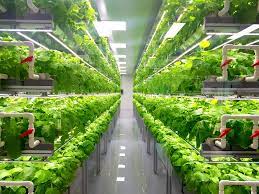
Local Food Production: Indoor farming allows cities to produce a significant portion of their own food locally. This reduces the need for long-distance transportation, minimizing carbon emissions and supporting local economies.
Access to Fresh Produce: Urban farming can provide residents with access to fresh, locally grown produce year-round. This is particularly important in “food deserts” where access to fresh, healthy food is limited.
Food Security: Urban agriculture contributes to food security by creating a more diverse and resilient food supply chain. In times of disruption, such as supply chain interruptions or natural disasters, local indoor farms can continue to provide essential food items.
Job Creation: The establishment and operation of indoor farms create job opportunities in urban areas. These jobs range from farm management and maintenance to technical roles in data analysis and technology integration.
Community Engagement: Indoor farming can be a focal point for community engagement and education. Schools, community centers, and local organizations can collaborate to establish and maintain indoor farms, fostering learning and a sense of ownership.
Sustainable Practices: Indoor farming inherently uses fewer resources such as water and fertilizers compared to conventional agriculture. This aligns with sustainability goals and reduces the strain on urban infrastructure.
Innovation and Technology: Urban indoor farms often integrate cutting-edge technologies such as automation, data analytics, and LED lighting systems. These innovations improve efficiency and crop yields.
Cultural Diversity: Urban agriculture can celebrate cultural diversity by growing crops that are unique to various ethnic backgrounds, fostering a sense of cultural pride and promoting diverse diets.
Public Health and Well-being: Increased access to fresh produce can improve public health outcomes by encouraging healthier eating habits and reducing reliance on processed foods.
Resilience to Climate Change: Urban indoor farms can be designed to mitigate the effects of climate change. Closed-loop systems and controlled environments are less susceptible to extreme weather events.
Policy and Regulation: City governments can play a role in supporting urban agriculture through policies that incentivize the establishment of indoor farms, streamline permitting processes, and provide financial support.
“Urban Agriculture: Thriving Through Indoor Farming Solutions” embodies the potential of indoor farming to transform urban landscapes into centers of sustainable food production. By combining innovative technology, community engagement, and sustainable practices, indoor farming has the power to enhance food security, promote local economies, and create a more resilient and self-sufficient urban environment.