Travel photography is a unique blend of storytelling, creativity, and exploration. It allows you to capture the essence of new cultures, landscapes, and experiences, while sharing your perspective with the world. Whether you’re a seasoned traveler or embarking on your first adventure, this guide will help you navigate the exciting world of travel photography and create stunning images that tell the stories of your journeys. Modern photography is greatly influenced by digital tools, and presets for lightroom have become an essential part of the post-processing workflow.
1. Research and Planning: Setting the Stage
Before you embark on your travel photography adventure, do thorough research about your destination. Understand the local culture, customs, and landmarks. Research the best times for photography, taking into account the golden hours and local events. Plan your routes to ensure you cover the most photogenic spots.
2. Pack Smart: Light and Versatile Gear
When it comes to travel photography, packing light is essential. Choose a camera body and a few versatile lenses that cover a range of focal lengths. A wide-angle lens is great for capturing landscapes, while a standard zoom lens is useful for various situations. Don’t forget spare batteries, memory cards, a lightweight tripod, and any necessary accessories.
3. Storytelling: Capture the Essence
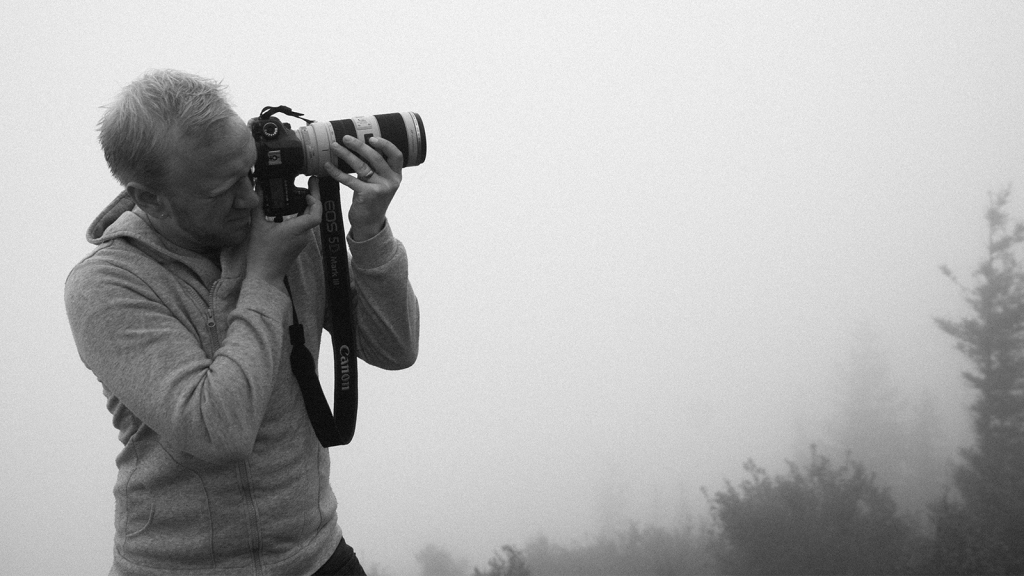
Approach your travel photography with the intention of telling a story. Look for images that capture the local way of life, cultural nuances, and the unique character of the place you’re visiting. Go beyond the obvious tourist shots to capture candid moments and interactions that reveal the soul of the destination.
4. Composition: Framing Your Adventures
Composition is key to creating compelling travel photographs. Apply compositional techniques like the rule of thirds, leading lines, and framing to guide viewers through your images. Pay attention to details and look for opportunities to incorporate local elements that add depth and context to your photographs.
5. People and Portraits: Building Connections
People are an integral part of any travel experience. Approach locals with respect and curiosity, seeking permission before taking their photographs. Capturing candid portraits can add a personal touch to your travel story, conveying the emotions and personalities of the individuals you encounter.
6. Light and Weather: Embrace the Elements
Light plays a vital role in photography, and travel photography is no exception. Embrace the unique lighting conditions of each destination. Experiment with different times of day to capture varied moods and atmospheres. Don’t let challenging weather deter you; rain, mist, and stormy skies can add drama and character to your images.
7. Edit with Purpose: Enhancing Your Narrative
Post-processing your travel photos is an opportunity to enhance your storytelling. Adjust exposure, contrast, and color to accurately represent the scene as you remember it. Maintain a balance between enhancing the image’s visual appeal and preserving its authenticity.
8. Local Interaction: Cultural Sensitivity
While capturing images, respect the local culture and customs. Seek permission before photographing people, especially in more conservative cultures. Engage with the local community, learn a few phrases in the local language, and immerse yourself in the experience to capture more authentic and meaningful photographs.
9. Be Present: Balancing Photography and Exploration
While photography is your focus, remember to also experience the destination firsthand. Take moments to put your camera down, absorb the surroundings, and interact with locals. Balance photography with being present in the moment, as this balance will enrich both your travel experience and your photographs.
In conclusion, travel photography is about more than just taking pictures; it’s about immersing yourself in new environments, connecting with people, and sharing the stories of your adventures through images. Approach each journey with an open heart and an eye for detail, and let your photography become a visual diary that transports viewers to the places you’ve explored and the memories you’ve made.