Introduction
In today’s digital age, having a strong online presence is crucial for businesses of all sizes. One of the key components of a successful online strategy is search engine optimization (SEO). SEO involves optimizing your website and its content to rank higher in search engine results pages (SERPs). If you’re new to SEO and want to learn the basics, this comprehensive guide will provide you with a solid foundation to get started. Enroll in a comprehensive online course to learn seo and acquire the necessary skills to improve your website’s visibility and organic search rankings.
What is SEO?
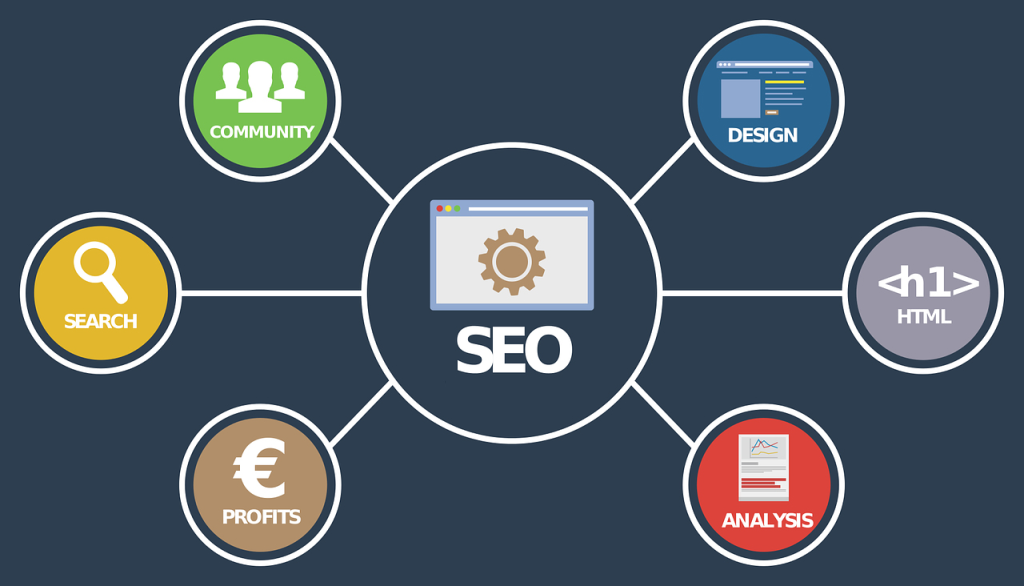
SEO is the practice of improving your website’s visibility and organic (non-paid) traffic from search engines like Google, Bing, and Yahoo. When someone searches for a particular keyword or phrase, search engines analyze and rank relevant web pages based on various factors. By implementing SEO techniques, you can improve your website’s ranking and attract more targeted visitors.
Why is SEO Important?
Having a well-optimized website offers several benefits:
- Increased Visibility: Higher rankings in search engine results mean more exposure for your website, leading to increased visibility among your target audience.
- Targeted Traffic: SEO helps attract visitors who are actively searching for products, services, or information related to your business, increasing the chances of conversion.
- Cost-Effective: Unlike paid advertising, organic search traffic from SEO is free, making it a cost-effective way to drive qualified leads to your website.
- Long-Term Results: While SEO requires ongoing effort, the results are long-lasting. By consistently optimizing your website, you can maintain and improve your rankings over time.
Understanding Search Engines
To effectively optimize your website for search engines, it’s important to understand how they work. Search engines use automated software called crawlers or spiders to scan and index web pages. These crawlers follow links and analyze the content and structure of each page they encounter.
Crawling and Indexing
During the crawling process, search engine crawlers discover and retrieve web pages. They follow links from one page to another, indexing the content of each page they visit. Indexing involves storing and organizing the information gathered from web pages in a massive database.
Ranking Factors
Search engines use complex algorithms to determine the relevance and quality of web pages for specific search queries. While the exact algorithms are closely guarded secrets, there are known ranking factors that influence a page’s position in search results. These factors include:
- Keyword Relevance: The presence of relevant keywords in the page’s content, title, headings, and meta tags.
- Content Quality: Well-written, informative, and original content that provides value to the readers.
- Page Structure: Proper use of headings (H1, H2, etc.), subheadings, and organized content hierarchy.
- Backlinks: The quantity and quality of links from other websites pointing to your page.
- User Experience: Factors such as page load speed, mobile-friendliness, and intuitive navigation.
On-Page Optimization
On-page optimization involves optimizing individual web pages to improve their visibility in search results. Here are some key on-page SEO techniques to focus on:
1. Keyword Research
Keyword research is the foundation of SEO. It involves identifying the keywords and phrases that your target audience is using to search for relevant information. By integrating these keywords naturally into your content, you can increase your chances of ranking for relevant search queries.
2. Title Tags and Meta Descriptions
Title tags and meta descriptions are HTML elements that provide concise summaries of your web page’s content. Including relevant keywords in these elements can helpimprove your page’s visibility in search results. Make sure to write compelling and concise titles and meta descriptions that accurately describe the content of your page.
3. Heading Tags
Heading tags (H1, H2, H3, etc.) are used to structure your content and provide hierarchy. The H1 tag should contain your main title, while the subsequent headings should be used for subheadings. Incorporate relevant keywords into your headings to signal the topic and improve SEO.
4. Content Optimization
Create high-quality and informative content that addresses the needs and interests of your target audience. Incorporate relevant keywords naturally throughout your content, but avoid keyword stuffing, which can negatively impact your rankings. Use bullet points, numbered lists, and bold text to highlight important information and make your content more scannable.
5. Image Optimization
Optimize your images by compressing them to reduce file size without compromising quality. Use descriptive file names and alt tags that include relevant keywords to help search engines understand the content of your images.
6. URL Structure
Ensure your URLs are descriptive and contain relevant keywords. Use hyphens to separate words for better readability. Avoid using long, complex URLs that are difficult for both users and search engines to understand.
Off-Page Optimization
Off-page optimization refers to activities conducted outside of your website to improve its visibility and authority. The most crucial off-page SEO technique is building high-quality backlinks.
1. Link Building
Focus on acquiring backlinks from reputable and relevant websites. Seek opportunities for guest posting, create valuable content that others would want to link to, and engage with industry influencers to build relationships that can lead to backlinks.
2. Social Media Engagement
Utilize social media platforms to share your content, engage with your audience, and encourage social sharing. Increased social signals can indirectly impact your website’s visibility and attract more traffic.
3. Online Directories and Listings
Submit your website to relevant online directories and listings, such as Google My Business, Yelp, and industry-specific directories. This helps improve your online presence and visibility in local search results.
Measuring and Monitoring SEO Success
To gauge the effectiveness of your SEO efforts, it’s essential to track key metrics and monitor your website’s performance. Here are some metrics to focus on:
- Organic Traffic: Measure the number of visitors coming to your website through organic search.
- Keyword Rankings: Track the positions of your targeted keywords in search engine results.
- Backlink Profile: Monitor the quantity and quality of backlinks pointing to your website.
- Bounce Rate: Assess the percentage of visitors who leave your website without interacting with it.
- Conversion Rate: Measure the rate at which visitors complete desired actions, such as making a purchase or filling out a form.
- Page Load Speed: Optimize your website’s load speed to enhance user experience and improve rankings.
By regularly monitoring these metrics, you can identify areas for improvement and make data-driven decisions to enhance your SEO strategy.
Conclusion
SEO is a multifaceted discipline that requires continuous learning and adaptation. By implementing the basic principles outlined in this guide, you can lay a strong foundation for your SEO journey. Remember to create high-quality, relevant content, optimize your website’s structure and metadata, and focus on building authoritative backlinks. With persistence and a commitment to staying up-to-date with industry trends, you can improve your website’s visibility and attract organic traffic from search engines like Google. Start your SEO journey today and unlock the potential for online success.