Having a healthy mouth is essential for overall well-being, and dentures play a crucial role in restoring oral functionality for individuals with missing teeth. Dentures not only enhance appearance but also enable proper speech and chewing. Before undergoing the procedure, it’s important to discuss the immediate denture cost with your dentist to ensure you have a clear understanding of the financial investment involved in restoring your smile promptly. However, to maintain optimal oral health with dentures, it is important to understand their types, proper care, and the impact on overall oral hygiene.
What Are Dentures?
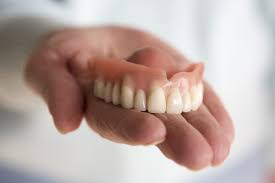
Dentures are removable oral appliances designed to replace missing teeth and surrounding tissues. They are custom-made to fit each individual’s mouth and are typically made from acrylic resin or a combination of metal and acrylic materials. Dentures can be either partial or full, depending on the number of missing teeth and their location.
Types of Dentures
- Partial Dentures: These are used when some natural teeth remain in the mouth. Partial dentures are designed to fill the gaps and prevent the remaining teeth from shifting. They are held in place by metal clasps or precision attachments.
- Complete Dentures: Also known as full dentures, these are used when all natural teeth are missing. Complete dentures replace the entire arch of teeth on the upper or lower jaw or both.
Benefits of Wearing Dentures
Wearing dentures offers several advantages, including:
- Improved Appearance: Dentures fill in the gaps caused by missing teeth, enhancing facial aesthetics and restoring a natural smile.
- Enhanced Speech: Missing teeth can affect speech, and dentures help in articulating words more clearly, improving overall communication.
- Restored Chewing Ability: Dentures enable individuals to chew food properly, allowing them to enjoy a balanced diet and maintain proper nutrition.
- Boosted Self-Confidence: By restoring a complete set of teeth, dentures can significantly enhance self-esteem and confidence.
Proper Denture Care and Maintenance
To ensure longevity and optimal oral health, it is crucial to follow proper denture care practices:
- Daily Cleaning: Clean dentures thoroughly using a soft-bristle brush and mild denture cleaner. Avoid using abrasive substances that can damage the denture surface.
- Handle with Care: When cleaning or removing dentures, do so over a soft surface or a water-filled sink to prevent breakage in case they are accidentally dropped.
- Keep Them Moist: Dentures should be kept moist when not in use to prevent them from drying out. Soak them in water or a denture-cleaning solution recommended by your dentist.
- Regular Dental Check-ups: Visit your dentist regularly to ensure that your dentures fit properly and to address any oral health issues promptly.
Maintaining Good Oral Health with Dentures
While dentures provide a replacement for missing teeth, it is essential to maintain good oral health to prevent complications. Here are some tips:
- Brush Your Gums and Tongue: Even with dentures, it is crucial to clean your gums, tongue, and the roof of your mouth with a soft-bristle brush or a damp cloth to remove plaque and stimulate circulation.
- Practice Good Oral Hygiene: If you have remaining natural teeth, continue brushing them twice a day with a soft-bristle toothbrush and fluoride toothpaste. Use a non-abrasive denture cleaner to clean your dentures.
- Monitor Changes: Regularly check your mouth, gums, and tongue for any signs of redness, swelling, or sores. Report any abnormalities to your dentist promptly.
- Stay Hydrated: Drinking plenty of water helps maintain oral moisture and saliva production, which is important for oral health.
- Avoid Harmful Habits: Do not smoke or consume excessive alcohol, as these habits can negatively impact oral health and the longevity of your dentures.
Common Problems and Solutions
- Discomfort or Soreness: Dentures may initially cause sore spots or discomfort. Visit your dentist to adjust the fit if you experience persistent discomfort.
- Loose Dentures: Over time, dentures may become loose due to changes in the mouth’s shape or bone loss. Your dentist can reline or replace your dentures to improve their fit.
- Mouth Infections: If not properly cleaned, dentures can contribute to oral infections like thrush. Regular cleaning and maintenance can help prevent such infections.
- Difficulty Speaking or Eating: It may take some time to adjust to wearing dentures. Practice speaking and eating soft foods initially, gradually progressing to a regular diet.
Dietary Considerations for Denture Wearers
- Choose Nutrient-Rich Foods: Include a variety of fruits, vegetables, whole grains, lean proteins, and dairy products in your diet to ensure proper nutrition.
- Avoid Sticky or Hard Foods: Foods that are sticky or require excessive biting force may dislodge or damage your dentures. Opt for softer, bite-sized foods instead.
- Stay Hydrated: Drinking enough water helps maintain oral health and aids in the digestion of food.
Conclusion
Dentures are a valuable solution for individuals with missing teeth, providing numerous benefits for appearance, speech, and chewing ability. By following proper care and maintenance practices, along with maintaining good oral hygiene, individuals can enjoy the benefits of dentures while preserving overall oral health. Regular dental check-ups and prompt communication with your dentist are crucial for a healthy mouth and a confident smile.