Designing with Texture: Adding Depth to Interior Spaces
When it comes to interior design, visual appeal goes beyond color and pattern. Texture plays a pivotal role in creating spaces that feel inviting, cozy, and multidimensional. By skillfully incorporating various textures, designers add depth, character, and tactile richness to interiors. Let’s explore the art of designing with texture and how it can transform your living spaces.
- The Importance of Texture
Texture adds a sensory layer to design that’s often overlooked. It engages our sense of touch, subtly influencing how we experience a space The Home Stratosphere website. From soft fabrics to rough stone surfaces, texture invites us to interact with our surroundings, making the environment more engaging and dynamic.
- Mixing Textures for Balance
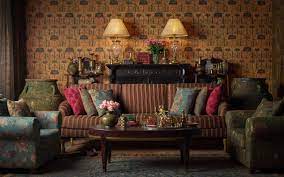
The key to successful texture design is balance. Mixing different textures prevents a space from feeling one-dimensional. Combining smooth with rough, shiny with matte, and soft with hard creates a visual rhythm that captures attention.
- Layering for Depth
Texture layering is akin to painting a canvas with different brushstrokes. Layering textiles, materials, and finishes creates visual depth and complexity. Think about layering a plush rug over a hardwood floor, complemented by textured cushions on a smooth sofa.
- Exploring Natural Elements
Nature provides an abundance of textures that can be brought indoors. Incorporate natural materials like wood, stone, and even dried botanicals to introduce organic textures that connect your space to the outdoors.
- Textiles: A World of Possibilities
Fabrics offer endless opportunities to introduce texture. Consider using chunky knits, nubby wool, or embroidered fabrics to create tactile interest. From curtains to upholstery, textiles bring warmth and comfort.
- Visual vs. Tactile Texture
Textures can be either visual or tactile. Visual texture is the way something looks—like a patterned wallpaper. Tactile texture, on the other hand, is what you feel when you touch a material, such as a rough brick wall or a smooth marble countertop.
- Soft and Hard Contrast
One effective technique is contrasting soft textures with hard surfaces. Pair a plush throw with a sleek metal coffee table or combine a velvety armchair with a concrete accent wall. The interplay adds intrigue to the space.
- Lighting and Shadows
Texture isn’t just about physical surfaces—it’s also about how light interacts with them. Consider how lighting casts shadows on textured surfaces, adding dimension and drama.
- Accent Walls and Focal Points
Accent walls are perfect canvases for showcasing texture. Use materials like reclaimed wood, stone, or textured wallpaper to create a focal point that draws attention and adds character.
- Experimentation and Creativity
Texture design is an invitation to experiment. Don’t shy away from mixing unexpected textures—like pairing a shiny metallic object with a plush, furry rug. Creativity knows no bounds.
Designing with texture is like composing a symphony where each note contributes to the harmonious whole. By incorporating a diverse range of textures, designers transform interiors into immersive experiences. Texture design adds a layer of storytelling that captures the essence of a space, making it not only visually captivating but also inviting and deeply felt. So, whether it’s the tactile richness of a velvet chair or the intricate details of a woven wall hanging, texture has the power to breathe life into your interior spaces.